 listicle
Independent Yacht Broker Benefits: Why It Matters
Table of Contents
- Why the Brokerage Model Matters More Than the Logo
- Independent Yacht Broker Benefits vs. Large Firms
- The Fiduciary Standard: Your Interests Come First
- Technical Expertise You Can Verify, Not Just Trust
- Why This Is the HMY Yacht Sales Alternative You Need
- Understanding Yacht Brokerage Commission Rates and Value
- A Realistic Yacht Closing Process Timeline
- The Real Test: What Happens After Closing
- Frequently Asked Questions
Last Updated: September 7, 2026
Why the Brokerage Model Matters More Than the Logo
The decision between an independent yacht broker and a large corporate firm shapes every part of your transaction, from the initial valuation to the final closing. For sellers and buyers alike, the independent yacht broker benefits extend far beyond personalized phone calls; they reach into fiduciary duty, technical verification, and post-sale accountability. At Spencer Christopher Yacht and Ship, we have watched clients navigate both models, and the structural differences consistently determine who walks away protected.
Here is the core distinction most guides miss: a large firm's loyalty often belongs to its inventory and its shareholders, not to you. An independent yacht broker operates without that conflict, which changes how they advise on vessel condition, pricing, and negotiation strategy. The International Yacht Brokers Association code of ethics codifies standards for professional conduct, yet the business model underneath determines how those standards play out in practice.
Below, we will walk through the specific advantages of independent representation, what commission structures actually buy you, and why the relationship should not end at the dock. The goal is to give you a framework for evaluating any brokerage before you sign a listing agreement or purchase and sale agreement.
Independent Yacht Broker Benefits vs. Large Firms
When you compare an independent yacht broker against a large corporate firm, the differences show up in three practical areas: access to leadership, alignment of incentives, and flexibility in the transaction.
Large firms often assign you to a junior salesperson who must escalate every decision. An independent yacht broker works directly with the principal, which shortens response times during critical negotiation windows. That direct line matters when a sea trial reveals issues or a title search uncovers discrepancies.
Incentive alignment is where the independent model shines. Corporate brokers frequently earn bonuses for moving specific inventory, which can color their advice on vessel valuation. An independent yacht broker earns their fee by matching you with the right vessel or buyer, not by clearing a lot. This distinction becomes obvious when a broker advises you to walk away from a deal, a conversation that happens far more readily without corporate pressure.
Flexibility also extends to legal documentation. Large firms often mandate in-house contract templates and preferred vendors. Independent brokers typically accommodate your maritime attorney and your surveyor, which preserves your control over the closing process.
The Fiduciary Standard: Your Interests Come First
Fiduciary care is the legal and ethical obligation to act in your best interest above all others, and it is the defining feature of a truly independent yacht broker. This standard governs how your broker handles client prospecting, negotiation strategy, and every disclosure made during the transaction.
In practice, fiduciary care means your broker tells you when a vessel is overpriced, even if it means losing the listing. It means disclosing known defects before the marine survey, not after. It means documenting every offer and counteroffer transparently, so you never wonder whether the full picture reached you.
This standard contrasts sharply with transaction-focused models where the priority is volume. When you work with a broker whose team includes USCG captains and engineers, the fiduciary duty extends into technical territory: they can verify that a vessel's condition matches its marketing claims before you commit funds.
Technical Expertise You Can Verify, Not Just Trust
The most valuable asset an independent yacht broker brings is verifiable technical competence, not just sales polish. Look for brokers with credentials such as a U.S. Coast Guard Master license, a Certified Professional Yacht Broker (CPYB) designation, or hands-on experience as crew or engineers. These qualifications mean the person reviewing your vessel specifications actually understands propulsion systems, electrical loads, and hull integrity.
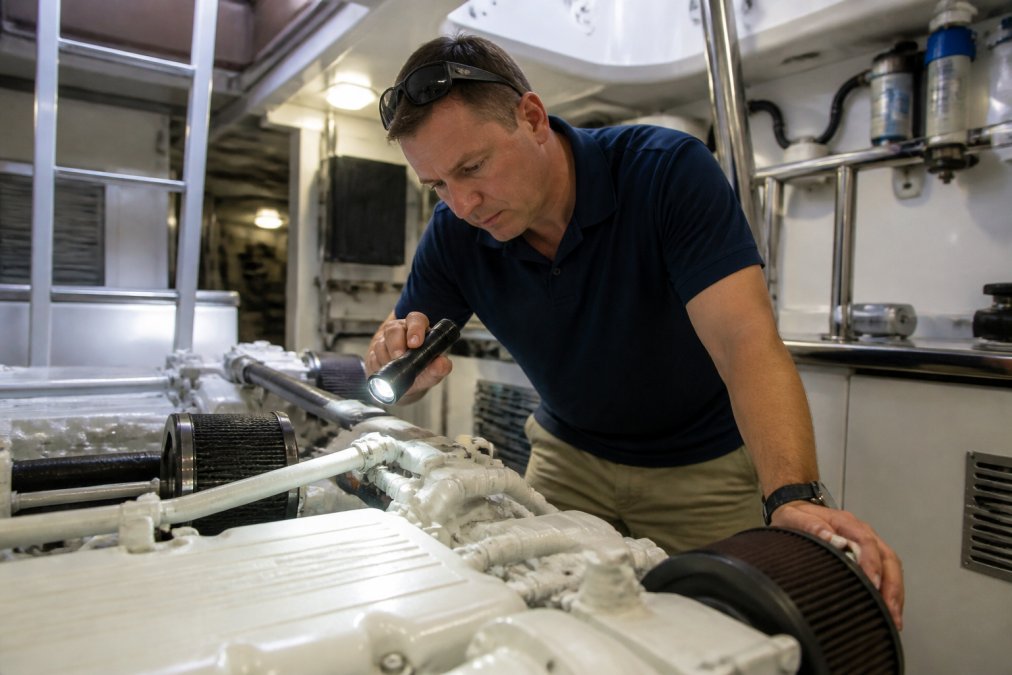
During pre-screening, a technically trained broker catches issues that a pure salesperson would miss. Common findings include undocumented prior repairs, mismatched engine hours, or corrosion that suggests improper storage. Each of these findings shifts the negotiation use and protects your investment.
What most guides miss is that technical expertise also protects you after closing. A broker who understands marine systems can connect you with the right maintenance network, help you interpret survey findings, and advise on whether a warranty is worth its cost. This post-purchase value is where the independent model proves its worth over time.
Why This Is the HMY Yacht Sales Alternative You Need
If you have worked with a large regional firm and felt like a transaction number, the independent model offers a structural remedy. The hmy yacht sales alternative you need is a brokerage where the person negotiating for you also holds the credentials to evaluate the vessel.
Spencer Christopher Yacht and Ship operates as an independently owned brokerage with a team composed of USCG captains, former yacht crew, engineers, and mechanics. With over four decades of cumulative experience, the firm provides complete fiduciary care from the first showing to final delivery. This is not a marketing claim about being friendlier; it is a structural difference in who holds the technical knowledge and who answers to you directly.
The independent structure also means the in-house closing department coordinates the paperwork, title search, and escrow arrangements without routing you through a corporate bureaucracy. When you have questions about the purchase and sale agreement, you speak with the people managing your file, not a call center.
Understanding Yacht Brokerage Commission Rates and Value
Yacht brokerage commission rates depend on the vessel's value, market conditions, and the scope of services provided. The buyer's and seller's brokers usually split the commission, which means both parties receive professional representation without doubling the cost.
What does that commission actually buy? For a seller, it covers vessel marketing, market exposure through listing networks, pre-screening of buyers, negotiation strategy, and transaction management. For a buyer, it funds access to the broker's industry network, coordination of sea trials and marine surveys, and guidance through the closing process.
| What You Pay For | Seller Benefit | Buyer Benefit |
|---|---|---|
| Market exposure | Listing on major networks, qualified buyer traffic | Access to off-market inventory |
| Technical pre-screening | Filtering out unserious buyers | Identifying hidden vessel defects |
| Negotiation strategy | Maximizing fair market value | Avoiding overpayment |
| Closing management | Legal documentation handled correctly | Escrow and title secured properly |
A Realistic Yacht Closing Process Timeline
A typical yacht transaction takes 30 to 60 days from accepted offer to closing, assuming no major complications arise (boatus.com). The timeline compresses or extends based on financing, survey availability, and the complexity of the vessel's title history.
The first week involves executing the purchase and sale agreement and depositing earnest money into an escrow account. Weeks two through four are dedicated to due diligence: the marine survey, sea trial, and any mechanical or structural inspections the surveyor recommends. This is where a technically trained broker earns their keep by interpreting findings and renegotiating price or repair credits.
The final two weeks focus on administrative compliance: title search, documentation with the U.S. Coast Guard if required, arranging marine insurance, and coordinating the final closing. Your broker should manage these logistics while keeping you informed at each milestone.
The Real Test: What Happens After Closing
The closing is not the finish line; it is the starting point of ownership. Most articles about yacht brokers stop at the transaction, which leaves a critical question unanswered: what happens when the engine room alarm sounds on your third weekend out? The answer separates a transaction broker from a true ownership partner.
An independent broker with a technical background, USCG captains, engineers, former crew, has a role that extends into your first season of ownership. That role includes three concrete functions: warranty claim navigation, maintenance network referral, and systems education.
Warranty Claims. When a new or recently refit vessel develops a defect, the warranty claim process is often opaque. The broker who sold you the vessel can document the issue, coordinate with the manufacturer or yard, and advocate on your behalf. A broker who understands marine systems can also advise whether a claim is worth pursuing or whether the cost of repair is below the deductible and better handled directly. This advice saves you both time and frustration.
Maintenance Network Referral. A broker who has worked in the industry for decades has a network of trusted mechanics, electricians, riggers, and yards. When you need a specialist, a generator technician, a hydraulic specialist, a teak refinisher, your broker can make an introduction that saves you from hiring an unqualified contractor. This network is not a marketing brochure; it is a working list of vendors who have performed on vessels the broker knows. Ask your broker for references in your region before you need them.
Systems Education. If you are a first-time yacht owner, the learning curve is steep. A broker who came from the crew side can walk you through your vessel's systems, how to winterize the plumbing, what the battery monitor is telling you, when to service the stabilizers. This education reduces the risk of costly mistakes that come from inexperience.
The American Boat and Yacht Council standards provide a benchmark for evaluating whether your vessel's systems meet industry safety standards. A broker who references these standards in post-sale conversations is demonstrating a commitment that extends beyond the commission check.
This post-purchase relationship is the most under-valued benefit of independent representation. A large firm's incentive structure pushes its brokers toward the next transaction. An independent broker, whose reputation depends on referrals and repeat business, has a structural reason to stay engaged. The relationship that begins at the dock should continue through your first haul-out, your first long cruise, and your first season of ownership.
Frequently Asked Questions
What are the primary benefits of using an independent yacht broker?
Independent yacht brokers offer fiduciary care, meaning they are legally bound to act in your best interest, not the company's. They typically bring hands-on technical experience from roles as USCG captains, crew, or engineers. This translates to sharper pre-screening, honest condition assessments, and negotiation focused on your outcome. Unlike large firms where you might get a junior associate, an independent broker often handles your transaction personally from first showing to final delivery.
How does an independent broker differ from a large corporate brokerage?
Large corporate brokerages often prioritize inventory turnover and may push specific listings. An independent broker, by contrast, structures their practice around client representation without that internal pressure. They can search the entire market for you or market your vessel without favoring in-house listings. This independence, combined with an in-house closing department, provides a level of personalized service and accountability that large firms rarely match.
What percent commission do yacht brokers make?
Yacht brokerage commission rates are not fixed and are always negotiable. This varies based on the vessel's value, the level of service required, and market conditions. An independent broker will explain their commission structure upfront and justify the value they provide, including pre-screening, marketing, and transaction management. Always ask for a clear breakdown before signing a listing agreement.
Do independent yacht brokers provide better fiduciary care?
Yes. Independent brokers are not beholden to a corporate sales quota or a specific inventory of yachts. Their fiduciary duty is solely to you, the client. For buyers, this means honest advice on whether a vessel is overpriced or has hidden issues. For sellers, it means a pricing strategy based on fair market value, not a quick sale for the firm's cash flow. This structure aligns the broker's success with your best outcome.